Families seldom begin the search for senior living on a calm afternoon with a lot of time to weigh options. More often, the decision follows a fall, a wandering episode, an ER visit, or the slow realization that Mom is skipping meals and forgetting medications. The choice between assisted living and memory care feels technical on paper, however it is deeply individual. The right fit can suggest less hospitalizations, steadier state of minds, and the return of little pleasures like morning coffee with neighbors. The wrong fit can result in frustration, faster decrease, and installing costs.
I have actually strolled lots of families through this crossroads. Some get here persuaded they require assisted living, just to see how memory care decreases agitation and keeps their loved one safe. Others fear the phrase memory care, envisioning locked doors and loss of independence, and find that their parent flourishes in a smaller sized, predictable setting. Here is what I ask, observe, and weigh when assisting individuals browse this decision.
What assisted living in fact provides
Assisted living aims to support people who are primarily independent but need aid with daily activities. Staff assist with bathing, dressing, grooming, toileting, and medication tips. The environment leans social and residential. Studios or one-bedroom houses, restaurant-style dining, optional physical fitness classes, and transportation for visits are standard. The presumption is that locals can utilize a call pendant, browse to meals, and take part without constant cueing.
Medication management typically suggests personnel provide meds at set times. When somebody gets puzzled about a midday dosage versus a 5 p.m. dose, assisted living personnel can bridge that space. However most assisted living groups are not equipped for frequent redirection or extensive habits support. If a resident resists care, ends up being paranoid, or leaves the structure repeatedly, the setting may struggle to respond.
Costs vary by area and features, however common base rates vary extensively, then rise with care levels. A neighborhood might quote a base rent of 3,500 to 6,500 dollars per month, then add 500 to 2,000 dollars for care, depending on the variety of tasks and the frequency of assistance. Memory care normally costs more due to the fact that staffing ratios are tighter and shows is specialized.
What memory care adds beyond assisted living
Memory care is developed specifically for people with Alzheimer's disease and other dementias. It takes the skeleton of assisted living, then layers in a stronger safeguard. Doors are secured, not in a prison sense, however to avoid unsafe exits and to enable strolls in protected courtyards. Staff-to-resident ratio is higher, frequently one caretaker for 5 to 8 locals in daytime hours, shifting to lower protection in the evening. Environments utilize simpler layout, contrasting colors to hint depth and edges, and fewer mirrors to avoid misperceptions.
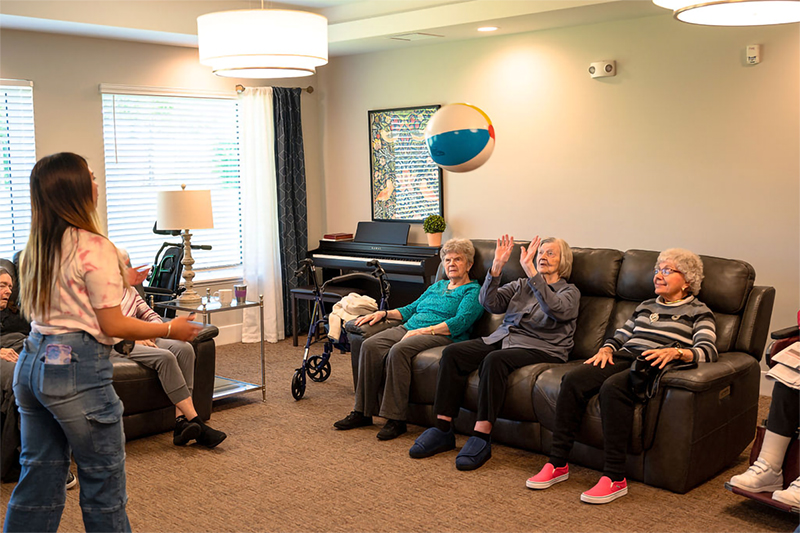
Most notably, shows and care are customized. Instead of announcing bingo over a speaker, personnel usage small-group activities matched to attention span and remaining capabilities. A great memory care group understands that agitation after 3 p.m. can indicate sundowning, that rummaging can be calmed by a clean laundry basket and towels to fold, and that an individual declining a shower may accept a warm washcloth and music from the 1960s. Care strategies anticipate habits instead of reacting to them.
Families often worry that memory care removes freedom. In practice, many homeowners restore a sense of firm due to the fact that the environment is foreseeable and the needs are lighter. The walk to breakfast is shorter, the choices are fewer and clearer, and somebody is always nearby to redirect without scolding. That can reduce stress and anxiety and slow the cycle of disappointment that often speeds up decline.
Clues from every day life that point one way or the other
I try to find patterns rather than separated events. One missed medication happens to everyone. 10 missed out on doses in a month indicate a systems issue that assisted living can solve. Leaving the stove on once can be resolved with devices modified or gotten rid of. Routine nighttime roaming in pajamas toward the door is a different story.
Families explain their loved one with phrases like, She's good in the morning however lost by late afternoon, or He keeps asking when his mother is pertaining to get him. The first signals cognitive change that might test the limitations of a hectic assisted living passage. The second suggests a requirement for personnel trained in therapeutic communication who can fulfill the person in their reality rather than proper them.
If somebody can discover the restroom, change in and out of a bathrobe, and follow a list of actions when cued, assisted living may be sufficient. If they forget to sit, resist care due to fear, wander into next-door neighbors' spaces, or eat with hands due to the fact that utensils no longer make good sense, memory care is the much safer, more dignified option.
Safety compared with independence
Every family battles with the trade-off. One daughter informed me she fretted her father would feel caught in memory care. In your home he roamed the block for hours. The very first week after moving, he did attempt the doors. By week 2, he joined a walking group inside the safe courtyard. He started sleeping through the night, which he had actually refrained from doing in a year. That trade-off, a much shorter leash in exchange for better rest and fewer crises, made his world bigger, not smaller.
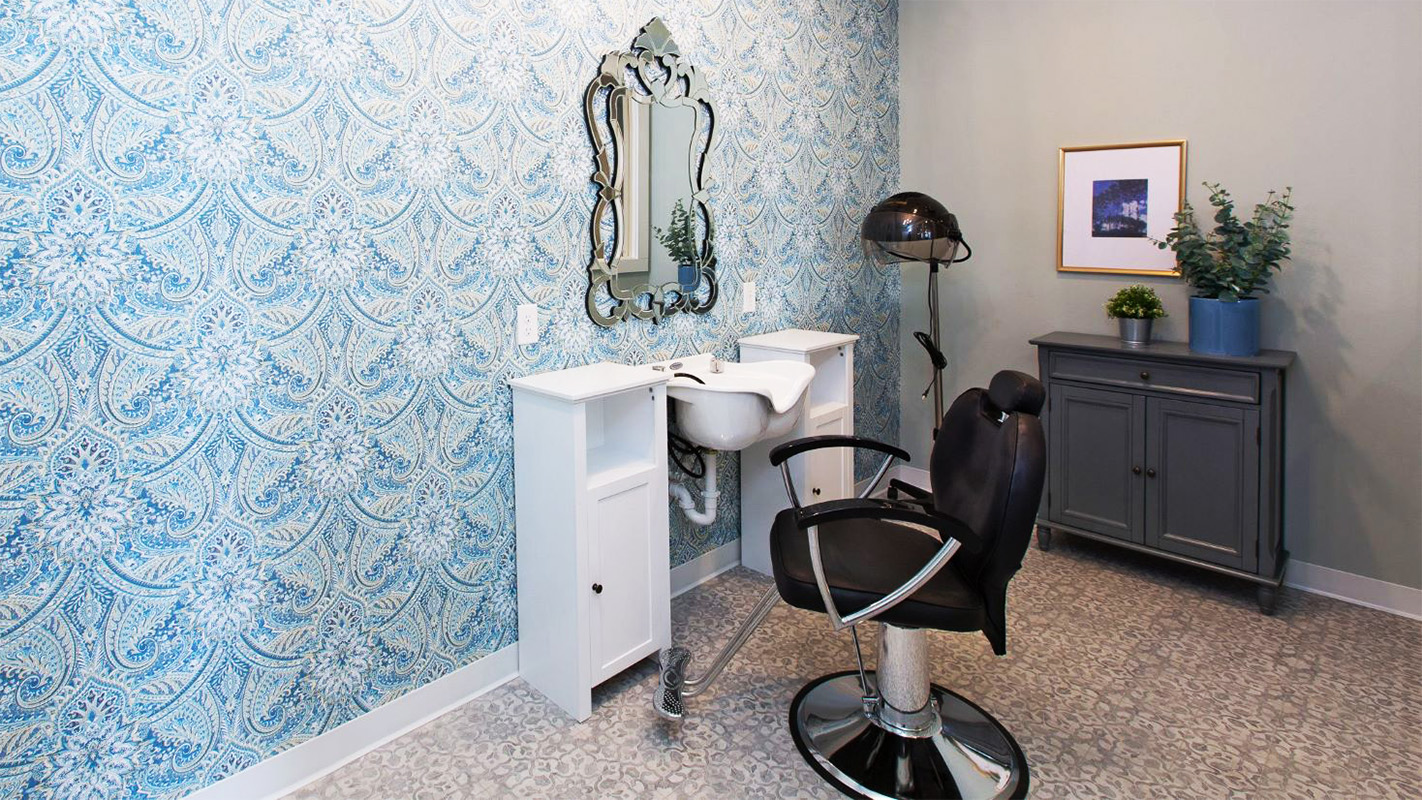
Assisted living keeps doors open, actually and figuratively. It works well when a person can make their method back to their house, utilize a pendant for assistance, and tolerate the noise and pace of a bigger structure. It fails when security risks outstrip the capability to monitor. Memory care reduces threat through protected spaces, regular, and consistent oversight. Independence exists within those guardrails. The right concern is not which choice has more liberty in basic, but which alternative offers this person the flexibility to prosper today.
Staffing, training, and why ratios matter
Head counts inform part of the story. More crucial is training. Dementia care is its own capability. A caretaker who understands to kneel to eye level, use a calm tone, and deal choices that are both acceptable can reroute panic into cooperation. That ability lowers the need for antipsychotics and prevents injuries.
Look beyond the brochure to observe shift changes. Do staff greet homeowners by name without inspecting a list? Do they expect the person in a wheelchair who tends to stand impulsively? In assisted living, you might see one caregiver covering lots of apartments, with the nurse floating throughout the structure. In memory care, you need to see staff in the typical area at all times, not Lysol in hand scrubbing a sink while locals roam. The strongest memory care units run like quiet theaters: activity is staged, hints are subtle, and interruptions are minimized.
Medical intricacy and the tipping point
Assisted living can deal with a surprising series of medical needs if the resident is cooperative and cognitively undamaged sufficient to follow cues. Diabetes with insulin, oxygen usage, and mobility problems all fit when the resident can engage. The issues start when a person refuses medications, eliminates oxygen, or can't report symptoms dependably. Repetitive UTIs, dehydration, weight loss from forgetting how to chew or swallow securely, and unpredictable habits tip the scale toward memory care.
Hospice assistance can be layered onto both settings, however memory care often meshes better with end-stage dementia needs. Personnel are utilized to hand feeding, interpreting nonverbal discomfort hints, and managing the complex family characteristics that feature anticipatory grief. In late-stage illness, the objective shifts from participation to comfort, and consistency ends up being paramount.
Costs, agreements, and reading the fine print
Sticker shock is real. Memory care usually starts 20 to half greater than assisted living in the exact same building. That premium shows staffing and specialized programs. Ask how the neighborhood intensifies care expenses. Some utilize tiered levels, others charge per task. A flat rate that later on balloons with "behavioral add-ons" can shock families. Transparency in advance conserves conflict later.
Make sure the agreement discusses discharge triggers. If a resident ends up being a danger to themselves or others, the operator can request a move. However the meaning of danger differs. If a community markets itself as memory care yet composes quick discharges into every plan of care, that suggests an inequality between marketing and ability. Ask for the last elderly care state study results, and ask particularly about elopements, medication mistakes, and fall rates.
The function of respite care when you are undecided
Respite care imitates a test drive. A household can put a loved one for one to four weeks, normally provided, with meals and care consisted of. This short stay lets personnel examine requirements properly and offers the individual an opportunity to experience the environment. I have actually seen respite in assisted living reveal that a resident needed such regular redirection that memory care was a much better fit. I have actually likewise seen respite in memory care calm someone enough that, with extra home support, the family kept them in the house another six months.
Availability differs by community. Some reserve a few apartments for respite. Others convert a vacant system when required. Rates are frequently slightly higher each day because care is front-loaded. If money is a concern, work out. Operators choose a filled space to an empty one, particularly during slower months.
How environment influences habits and mood
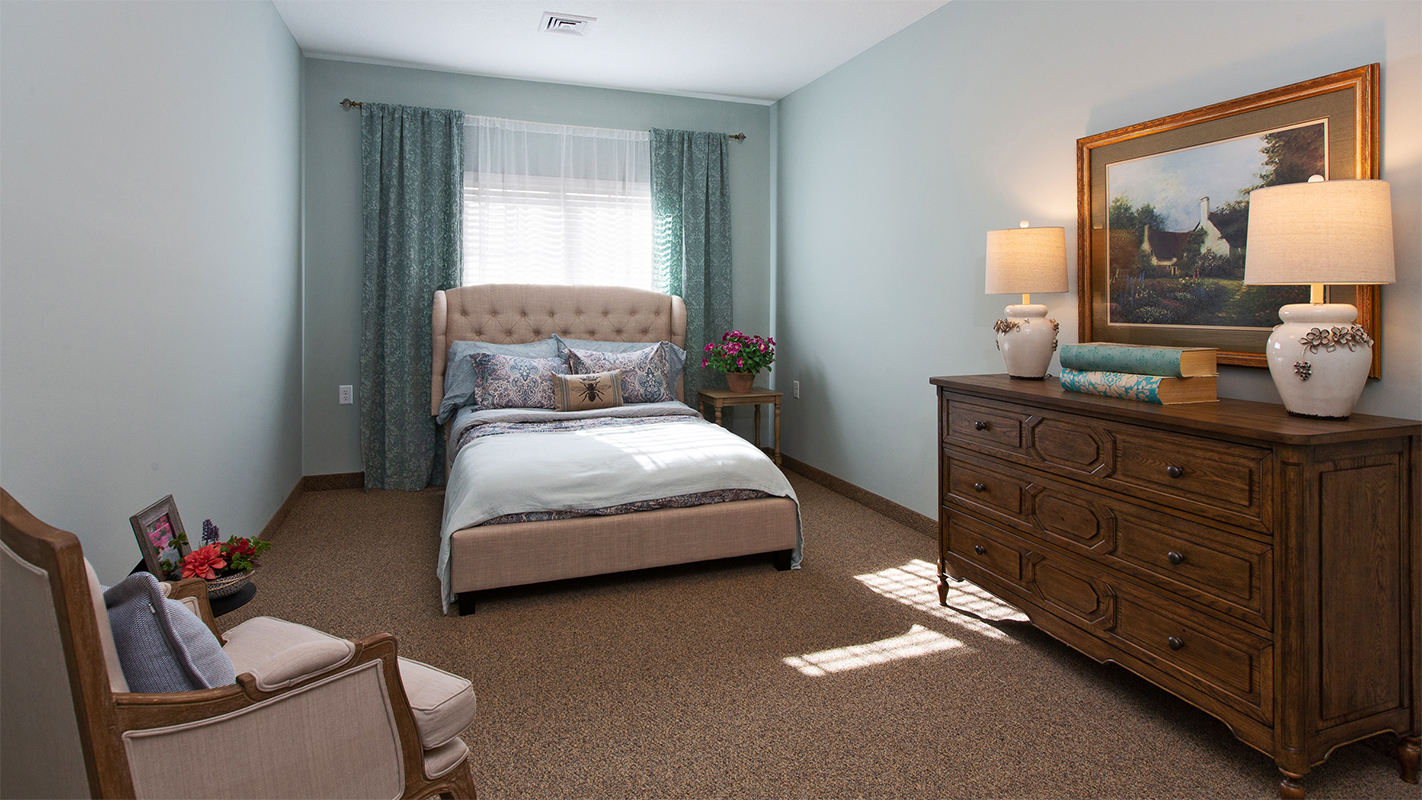
Architecture is not decor in dementia care. A long corridor in assisted living might overwhelm someone who has problem processing visual details. In memory care, much shorter loops, choice of peaceful and active spaces, and easy access to outside courtyards decrease agitation. Lighting matters. Glare can cause missteps and fear of shadows. Contrast assists someone find the toilet seat or their favorite chair.
Noise control is another point of difference. Assisted living dining-room can be vibrant, which is great for extroverts who still track discussions. For somebody with dementia, that sound can blend into a wall of noise. Memory care dining usually keeps up smaller groups and slower pacing. Personnel sit with locals, hint bites, and look for tiredness. These little ecological shifts add up to less occurrences and much better nutritional intake.
Family involvement and expectations
No setting changes household. The best results occur when relatives visit, interact, and partner with personnel. Share a brief life history, preferred music, favorite foods, and relaxing routines. An easy note that Dad constantly brought a handkerchief can motivate personnel to provide one throughout grooming, which can minimize embarrassment and resistance.
Set practical expectations. Cognitive disease is progressive. Personnel can not reverse damage to the brain. They can, nevertheless, form the day so that aggravation does not lead to aggression. Search for a team that communicates early about changes rather than after a crisis. If your mom begins to pocket pills, you should find out about it the very same day with a strategy to adjust shipment or form.
When assisted living fits, with cautions and waypoints
Assisted living works best when an individual needs predictable help with day-to-day tasks but stays oriented to position and function. I think of a retired instructor who kept a calendar diligently, enjoyed book club, and required help with shower set-up and socks due to arthritis. She might handle her pendant, delighted in outings, and didn't mind pointers. Over two years, her memory faded. We adjusted slowly: more medication support, meal tips, then escorted walks to activities. The building supported her up until wandering appeared. That was a waypoint. We moved her to memory care on the very same campus, which indicated the dining personnel and the hairdresser were still familiar. The transition was steady because the team had actually tracked the caution signs.
Families can plan similar waypoints. Ask the director what specific indications would activate a reevaluation: 2 or more elopement efforts, weight-loss beyond a set portion, twice-weekly agitation needing PRN medication, or three falls in a month. Agree on those markers so you are not amazed when the conversation shifts.
When memory care is the more secure choice from the outset
Some discussions decide simple. If a person has exited the home unsafely, mishandled the stove consistently, implicates household of theft, or ends up being physically resistive during basic care, memory care is the safer beginning point. Moving twice is harder on everybody. Beginning in the ideal setting prevents disruption.
A common hesitation is the fear that memory care will move too fast or overstimulate. Excellent memory care relocations gradually. Personnel develop rapport over days, not minutes. They permit rejections without labeling them as noncompliance. The tone learns more like a supportive household than a facility. If a tour feels busy, return at a various hour. Observe early mornings and late afternoons, when symptoms typically peak.
How to examine communities on a useful level
You get much more from observation than from brochures. Visit unannounced if possible. Step into the dining-room and smell the food. See an interaction that doesn't go as planned. The very best neighborhoods reveal their uncomfortable moments with grace. I viewed a caretaker wait quietly as a resident declined to stand. She provided her hand, stopped briefly, then shifted to conversation about the resident's pet. 2 minutes later on, they stood together and walked to lunch, no tugging or scolding. That is skill.
Ask about turnover. A stable team normally signifies a healthy culture. Evaluation activity calendars but also ask how personnel adapt on low-energy days. Look for simple, hands-on offerings: garden boxes, laundry folding, music circles, scent therapy, hand massage. Range matters less than consistency and personalization.
In assisted living, look for wayfinding hints, helpful seating, and prompt reaction to call pendants. In memory care, search for grab bars at the best heights, cushioned furniture edges, and protected outdoor access. A stunning fish tank does not compensate for an understaffed afternoon shift.
Insurance, advantages, and the quiet realities of payment
Long-term care insurance coverage might cover assisted living or memory care, however policies differ. The language usually hinges on requiring assistance with 2 or more activities of daily living or having a cognitive problems needing supervision. Secure a composed statement from the neighborhood nurse that lays out qualifying requirements. Veterans may access Help and Attendance advantages, which can offset costs by several hundred to over a thousand dollars per month, depending upon status. Medicaid coverage is state-specific and frequently restricted to certain neighborhoods or wings. If Medicaid will be required, validate in writing whether the neighborhood accepts it and whether a private-pay duration is required.
Families sometimes plan to sell a home to fund care, only to discover the market sluggish. Bridge loans exist. So do month-to-month contracts. Clear eyes about financial resources avoid half-moves and hurried decisions.
The place of home care in this decision
Home care can bridge gaps and postpone a move, however it has limitations with dementia. A caretaker for six hours a day aids with meals, bathing, and companionship. The staying eighteen hours can still hold threat if someone wanders at 2 a.m. Technology helps marginally, but alarms without on-site responders merely wake a sleeping partner who is already exhausted. When night risk rises, a regulated environment starts to look kinder, not harsher.
That said, matching part-time home care with respite care stays can buy respite for household caregivers and keep regular. Families often schedule a week of respite every two months to prevent burnout. This rhythm can sustain an individual in your home longer and offer information for when a permanent relocation becomes sensible.
Planning a transition that minimizes distress
Moves stir stress and anxiety. People with dementia checked out body language, tone, and rate. A rushed, secretive move fuels resistance. The calmer method involves a few practical steps:
- Pack preferred clothes, photos, and a couple of tactile products like a knit blanket or a well-worn baseball cap. Establish the brand-new room before the resident shows up so it feels familiar immediately. Arrive mid-morning, not late afternoon. Energy dips later on in the day. Introduce a couple of crucial employee and keep the welcome quiet instead of dramatic. Stay enough time to see lunch begin, then march without extended goodbyes. Staff can reroute to a meal or an activity, which alleviates the separation.
Expect a few rough days. Frequently by day three or four routines take hold. If agitation spikes, coordinate with the nurse. In some cases a short-term medication adjustment decreases worry during the very first week and is later tapered off.
Honest edge cases and difficult truths
Not every memory care system is good. Some overpromise, understaff, and rely on PRN drugs to mask behavior problems. Some assisted living buildings quietly dissuade residents with dementia from participating, a warning for inclusivity and training. Families ought to leave trips that feel dismissive or vague.
There are citizens who refuse to settle in any group setting. In those cases, a smaller sized, residential design, in some cases called a memory care home, may work better. These homes serve 6 to 12 homeowners, with a family-style cooking area and living room. The ratio is high and the environment quieter. They cost about the exact same or somewhat more per resident day, but the fit can be significantly better for introverts or those with strong noise sensitivity.
There are likewise households identified to keep a loved one in the house, even when threats install. My counsel is direct. If roaming, aggression, or frequent falls take place, staying at home needs 24-hour protection, which is typically more expensive than memory care and more difficult to coordinate. Love does not suggest doing it alone. It implies selecting the most safe route to dignity.
A framework for deciding when the answer is not obvious
If you are still torn after tours and discussions, lay out the decision in a useful frame:
- Safety today versus projected safety in 6 months. Think about understood disease trajectory and existing signals like wandering, sun-downing, and medication refusal. Staff capability matched to behavior profile. Choose the setting where the normal day aligns with your loved one's requirements during their worst hours, not their best. Environmental fit. Judge sound, layout, lighting, and outdoor gain access to versus your loved one's sensitivities and habits. Financial sustainability. Guarantee you can keep the setting for a minimum of a year without thwarting long-lasting plans, and confirm what takes place if funds change. Continuity alternatives. Favor schools where a move from assisted living to memory care can happen within the very same neighborhood, protecting relationships and routines.
Write notes from each tour while information are fresh. If possible, bring a trusted outsider to observe with you. In some cases a sibling hears appeal while a cousin captures the hurried staff and the unanswered call bell. The ideal choice enters into focus when you align what you saw with what your loved one in fact needs throughout tough moments.
The bottom line families can trust
Assisted living is built for self-reliance with light to moderate assistance. Memory care is constructed for cognitive change, safety, and structured calm. Both can be warm, humane places where individuals continue to grow in little methods. The much better question than Which is finest? is Which setting supports this individual's remaining strengths and secures against their particular vulnerabilities?
If you can, use respite care to check your presumptions. Enjoy thoroughly how your loved one spends their time, where they stall, and when they smile. Let those observations direct you more than jargon on a site. The right fit is the location where your loved one's days have a rhythm, where personnel welcome them like a person instead of a task, and where you exhale when you leave instead of hold your breath up until you return. That is the procedure that matters.